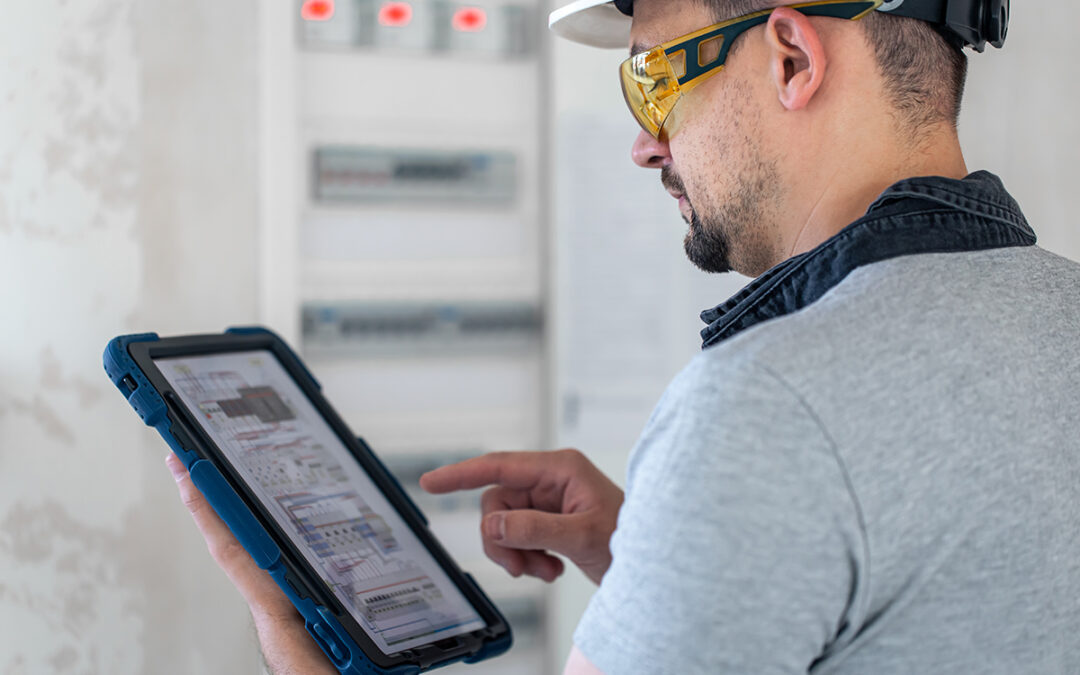

Flexibility, agility and logic in problem solving, knowledge of measurement systems software and hardware, project implementation and analysis are some of the skills that Sustaining Engineers require. Sustaining groups are also known as test or maintenance engineers.
Currently, the Sustaining Engineer is challenged to go from design and development to the selection of materials, software and hardware, in addition to being in charge of the implementation of a test station according to the product requirements to be manufactured.
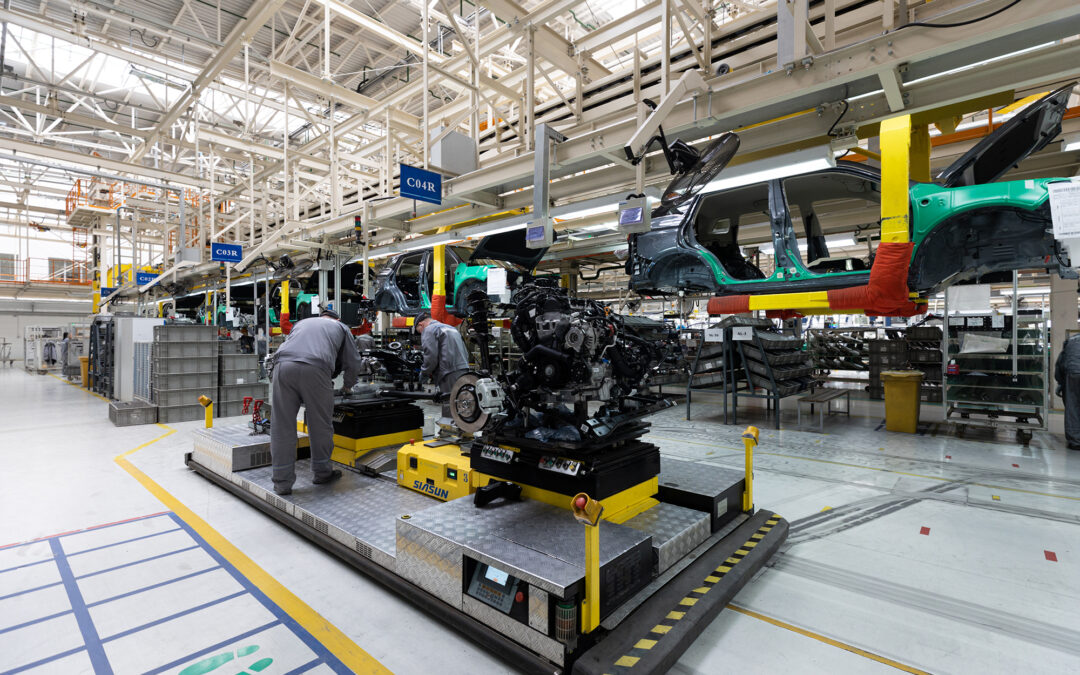
To achieve their daily activities, sustaining groups have to apply methods, techniques and tools in the administration of maintenance to facilities, machinery and equipment, in the improvement of production processes, in the development of personnel, in the application of quality, safety and hygiene standards based on disciplines such as mechanics, electronics and electrical, automation, use of software and robotics mainly, in order to contribute to technological development and compliance with metrics within manufacturing plants.
Lab it Studio is broadly familiar with these requirements and for this reason recommends that Engineering groups focus on the following three initiatives that foster the development of engineering competencies this 2021:
Strengthen the knowledge of software platforms.
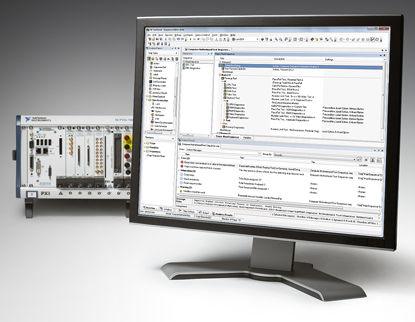
For the sustaining engineer, the responsibility of implementing a manufacturing project is very high and much has to do with the software required to perform the test sequences according to the product requirements. He/she must be ready and prepared to go from interpretation and modification to maintenance and scalability at a test or tester station.
For this task there are resources that are very useful to go from development to debugging code quickly. Also, in the manufacturing industry in Mexico there are very stable platforms that have been successfully implemented, such as programming environments in C#, NI LabVIEW, NI TestStand, Python, among others.
It is crucial that engineers are trained in the management of these software platforms and can evolve in the implementation of projects.
Effective communication with "The Gods of Olympus" (R&D or NPI).
In engineering jargon it is common to hear this terminology, and here we are not just talking about the same language, we are talking about the requirements and expectations of the corporate engineering groups of the companies and what is actually produced locally in the manufacturing plants.
Very often the lack of communication between R&D, NPI and manufacturing leads to a lack of clarification of ideas, metrics and objectives, making it impossible to move forward quickly with the implementation of the production line test station.
A common example is when modifications need to be made or new requirements added to a test station. A lot of time is spent debugging the test station, when many times effective communication with R&D or NPI can make a big difference in increasing the efficiency of the production engineers. In this case, effective communication and knowing how to ask for help is key. In our experience, we have seen cases so simple that sometimes no progress is made because the product requirements and/or test specifications are not up to date. Always validate that we have the most current information with our colleagues.
They do not know the product they manufacture.
It is very common to observe failures at test stations and for suppliers of measurement hardware equipment to receive requests for technical support. From this point on, there are valuable time lapses already in play. When the external support engineer arrives and begins to delve into the problem, the first thing sustaining engineers are asked to provide is the product requirements document for effective debugging. Often these requirements are not known in detail, nor is the behavior of the product.
It is crucial for sustaining engineers to know and be involved in knowing the product test requirements. By having the knowledge and mastery of your product and test, you can easily transform this knowledge into an efficient, modular and well-documented test plan, thus increasing the efficiency of the engineers.
Lab it Studio already has a suite of solutions to support sustaining engineers to address the above challenges and be ready to improve their productivity. We look forward to contacting us to help you identify the best solution for your challenges today.