Learning executive test software is extremely beneficial as it helps to improve efficiency, reduce operating costs and increase automation and standardization of test systems in the manufacturing industry. But who should use it? Here we tell you.
Who is the main user of a Test Executive or Test Executive?
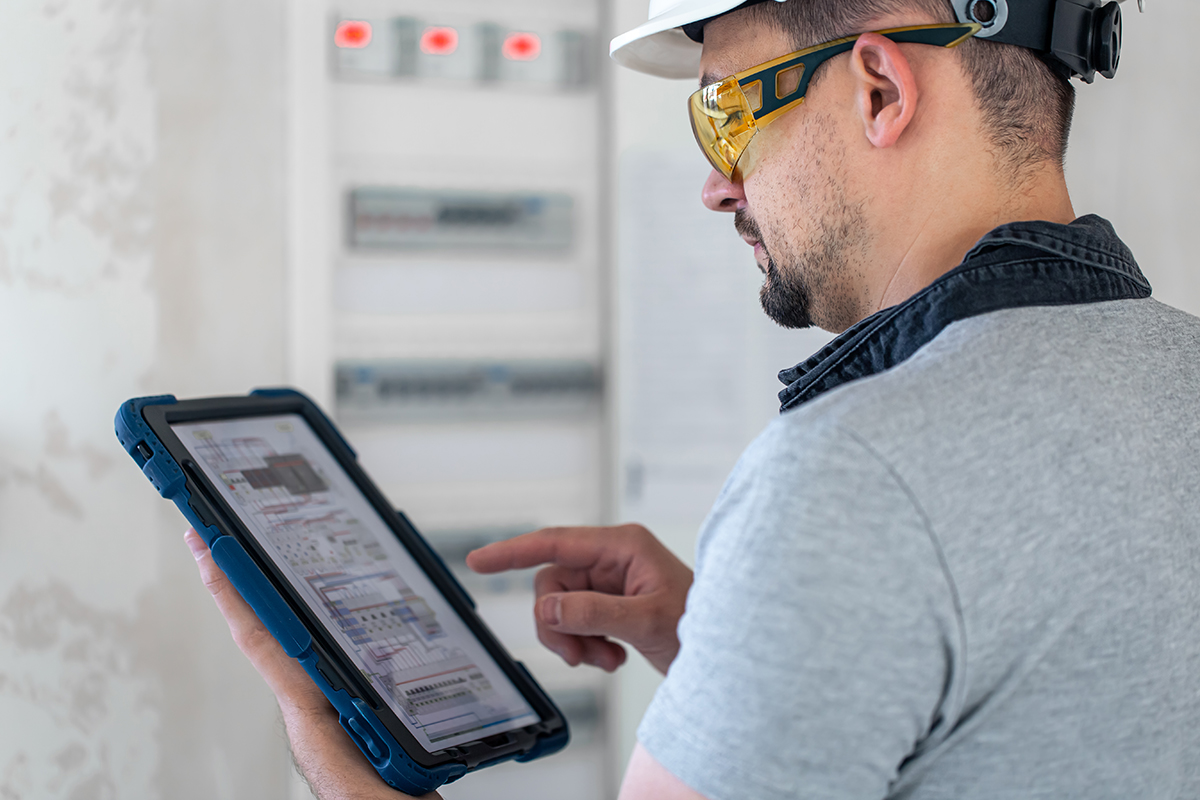
The primary user of a Test Executive is a test engineer in the manufacturing industry as their role is to ensure the quality and reliability of a company's products.
Test engineers work closely with other teams, such as research and development, engineering and production, and are responsible for designing, developing and executing test plans and test sequences for existing products, or for manufacturing new ones, safely, quickly and reliably.
Therefore, the use of a Test Executive software is key for a test engineer, as it allows him to analyze the results to identify and solve problems, as well as to standardize his testers worldwide, so that a tester can be deployed anywhere on the planet with the same high quality standards.
[You may be interested in: 3 benefits of using a test executive platform in manufacturing ]
What is a PTS (Product Test Specification)?
A PTS or product test plan is a document that describes the strategy, procedures and resources required to test a product or system. It serves as a blueprint for the testing process and is used to ensure that all necessary testing is completed and that the results are properly documented.
The test plan is generally created early in the product development process and is a living document that is reviewed and updated as needed throughout the development cycle.
A product test specification serves as a guide for the entire testing process and helps ensure that all necessary tests are completed and results are properly documented. The test plan is a crucial tool to help ensure that a product is of high quality and performs as intended once it reaches the customer.
What are the main Test Executive platforms in the Manufacturing industry?
The main Test Executive platforms used in the Manufacturing industry are the following:
1. TestStand from National Instruments (NI)
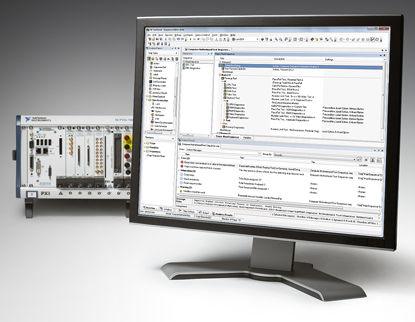
TestStand is a test management software platform developed by National Instruments. It provides an easy-to-use interface for creating and executing test sequences, as well as advanced automation capabilities such as test sequencing, data management and analysis.
TestStand can be integrated with other software programming tools (LabVIEW, Python, LabWindows/CVI, .NET) and hardware tools commonly used in manufacturing, such as PLCs and modular instruments. It is used by more than 10,000 engineers globally.
Keysight Pathwave Test
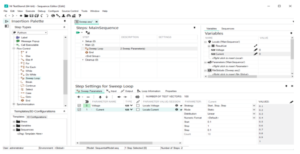
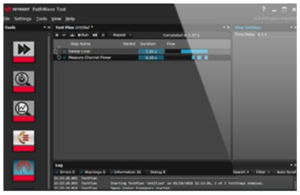
Pathwave Test is a software platform developed by Keysight Technologies that provides test and measurement solutions to a wide range of industries. It provides a unified software environment that enables users to design, debug and implement test systems with minimal coding. Pathwave Test also includes pre-built test function libraries and modules, advanced data analysis tools, and can be used with a variety of software platforms such as C# and Python.
3. Kesight TestExec SL
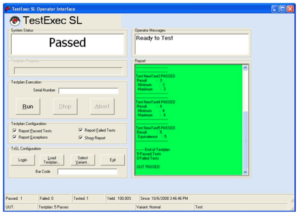
It is a legacy software platform for test executives developed by Agilent Technologies. It provides a unified software environment for creating, debugging and deploying test systems in manufacturing. Some of the main features and functionalities of TestExec SL include: Test sequencing, data management, analysis and reporting.
In summary, learning an executive test software and knowing the best practices in its management, as well as its implementation aligned with the PTS or test plan, will help professionals working as test engineers in the manufacturing industry to grow professionally in their companies and play critical roles for their organization.
At Lab it Studio we help your test engineers become more agile and strategic with our TestStand training programs, which is one of the most widely used test executives in the industry.