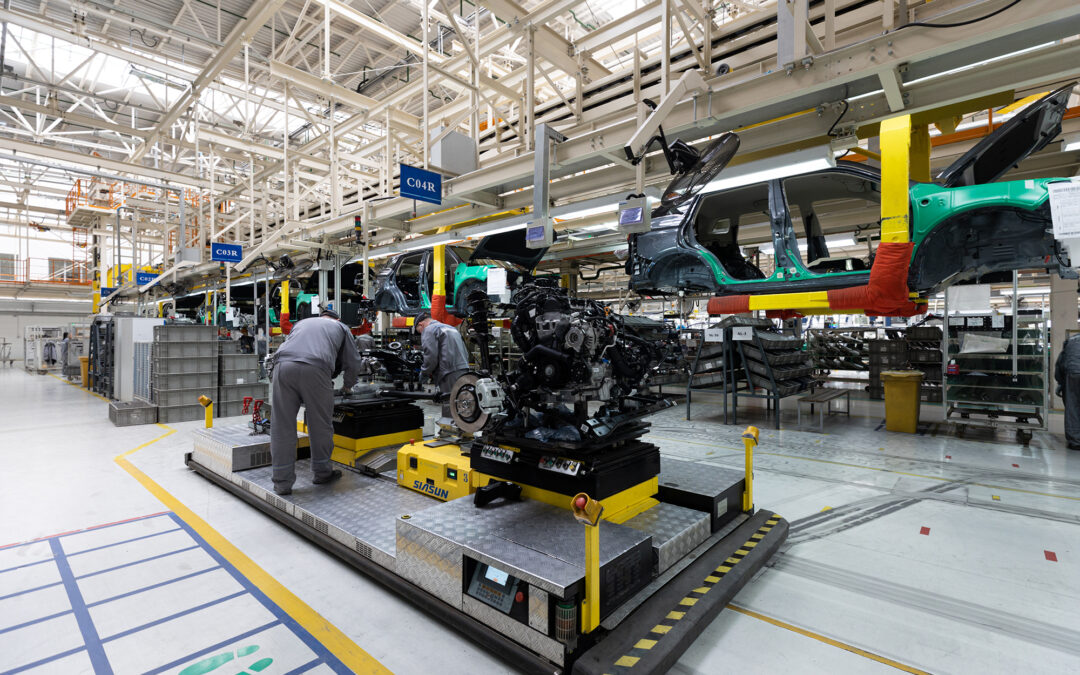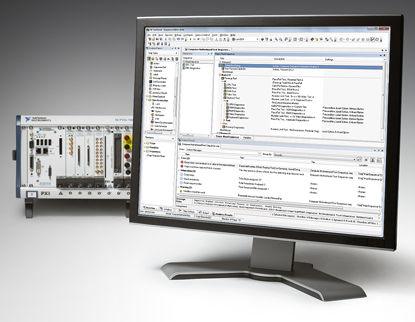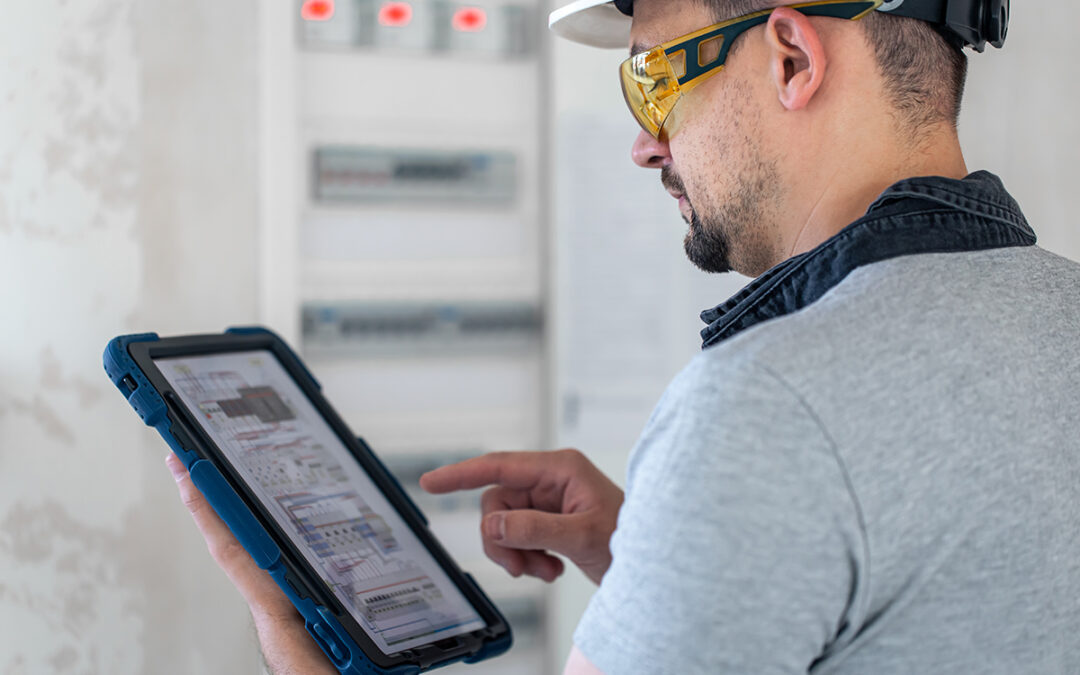
The process of sampling or digitizing signals that measure and represent physical phenomena (temperature, pressure, electricity, etc.) in order to be manipulated by a computer system (PC/Tablet/Smartphone).
Data acquisition systems (DAQ or DAS) convert analog signals into discrete signals for further processing on a PC/Tablet/Smartphone.
Components of a data acquisition system:
- Sensors: Convert physical parameters to electrical variables (thermocouples, thermistors, load cells, etc).
- Signal conditioning and/or measurement equipment containing analog converters to sample electrical signals from sensors.
- Communication bus: This is the communication channel between the measuring equipment to the PC. Examples of standard communication buses: Serial, GPIB, USB, LAN/LXI, WIFI etc.
- Computer system: PC/Tablet/Smartphone
- Application software to process the sampled signals: LabVIEW, Microsoft C#, Python, etc.
It is worth mentioning that signal conditioners and/or measurement equipment can be from multiple manufacturers:
- National Instruments Data Acquisition Boards and PXI Systems
- Measuring instruments from various manufacturers: Keysight, Rohde-Scharwz, Tektronix, Keithely, etc.
- Siemens PLC's and PAC's, Rockwell.
- Vision systems and smart cameras from Cognex, Keyence.
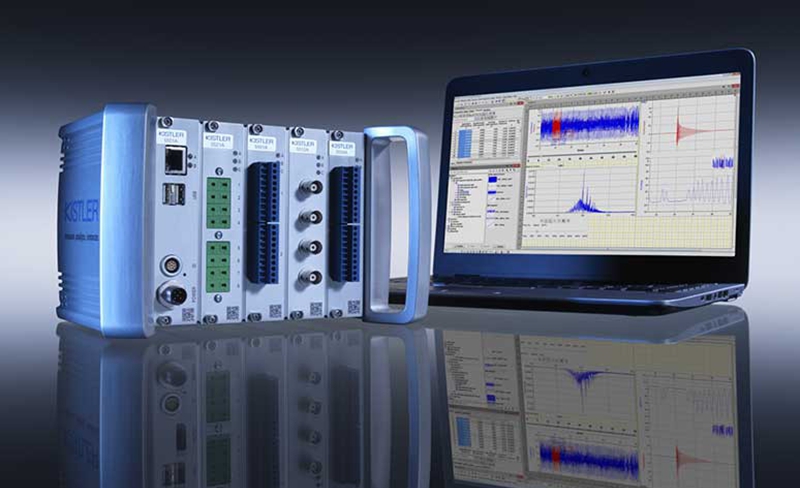
The following figure shows a typical data acquisition system used in industry:
Our no-cost training teaches you the basic fundamentals and dirty tricks to diagnose and optimize data acquisition systems that are generally used as test and measurement stations, which are either developed locally or come from corporate transfers from your company. Our goal is to evolve engineers and technicians to be as self-sufficient as possible and to increase their productivity and knowledge.
You can access this course free of charge at the following link:
https://lab-it-studio.thinkific.com/courses/DAQ